Modern commercial facilities and industrial complexes require robust, high-definition IP video surveillance networks that deliver continuous 24/7 perimeter monitoring, automatic threat detection, and seamless centralized management.
Key Components of an Enterprise IP Surveillance Network
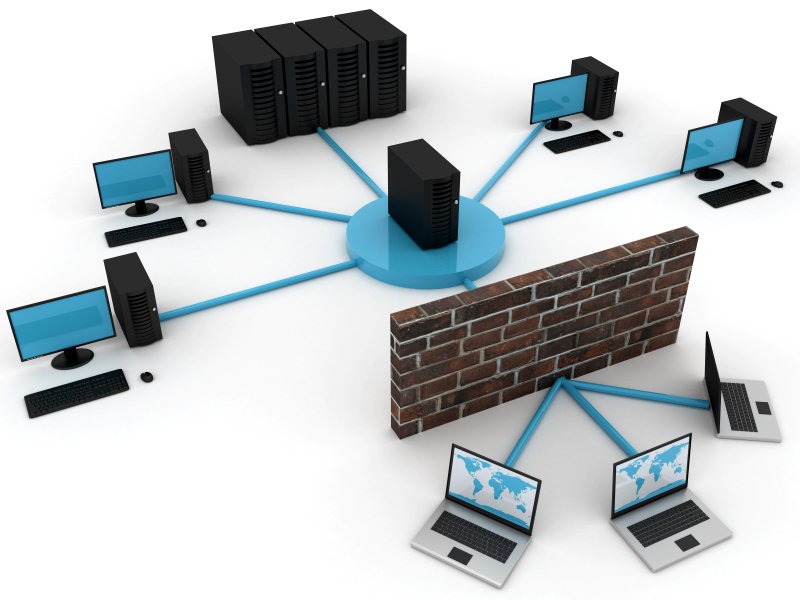
Deploying an enterprise-grade CCTV infrastructure involves several integrated components:
- Ultra HD IP Cameras: 4K PTZ cameras, panoramic fisheye lenses, thermal imaging cameras, and License Plate Recognition (ANPR) cameras.
- Network Attached Storage & NVR RAID Clusters: Redundant storage arrays with hot-swappable drives ensuring zero data loss during drive failure.
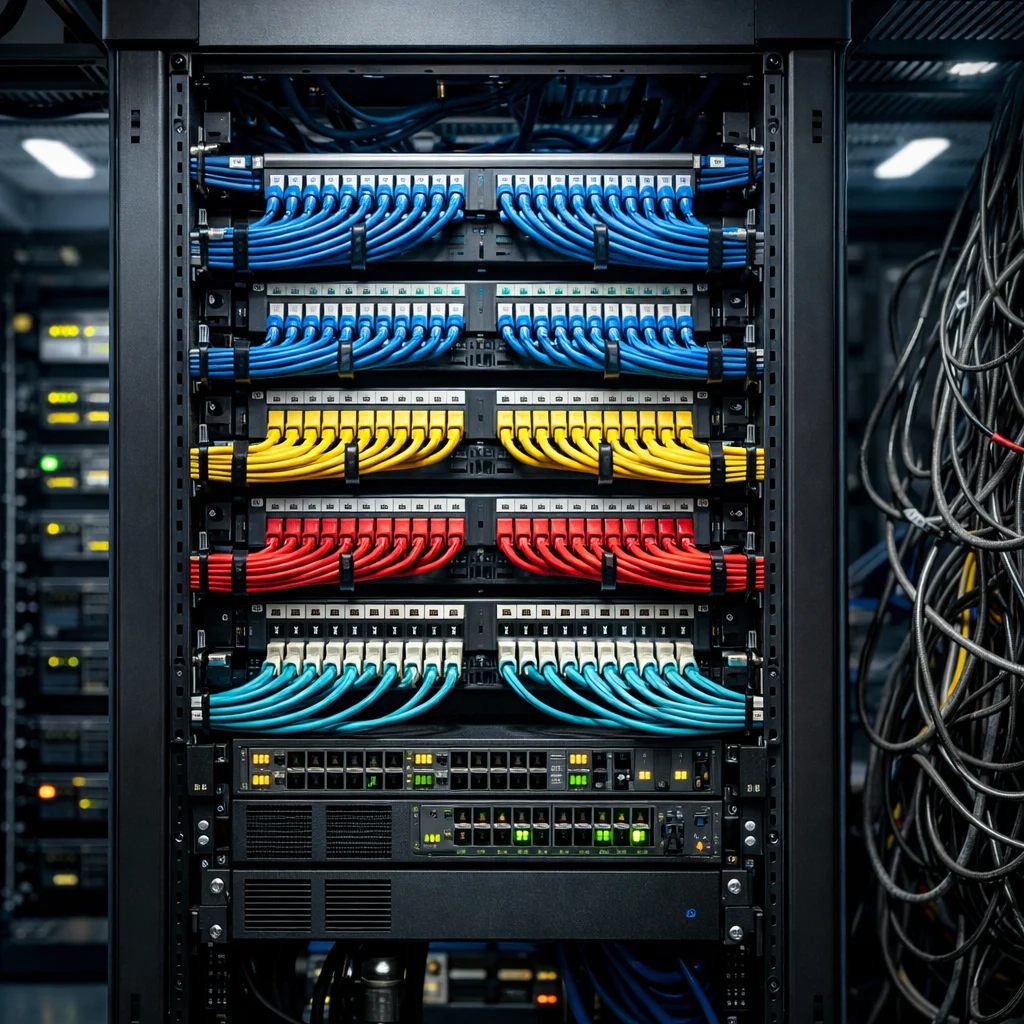
- PoE Switching & VLAN Segregation: High-bandwidth Power over Ethernet switches with isolated video VLANs to guarantee uninterrupted video streams without network congestion.
- Video Management Software (VMS): Intelligent VMS platforms providing AI analytics, facial recognition, heatmaps, and remote mobile monitoring.
“A well-designed IP surveillance network isn’t just about recording video — it’s an active situational awareness hub that prevents security breaches before they occur.”
Best Practices for Surveillance System Design
When engineering a CCTV system for commercial buildings or manufacturing plants, ensure proper camera height positioning, lighting conditions, and bandwidth calculations. Utilizing H.265+ smart compression algorithms reduces bandwidth consumption and storage requirements by up to 70% compared to legacy video codecs.